There are documentaries and there are documentaries. For 2026, YOU CAN SEE EVERYTHING is THE documentary.
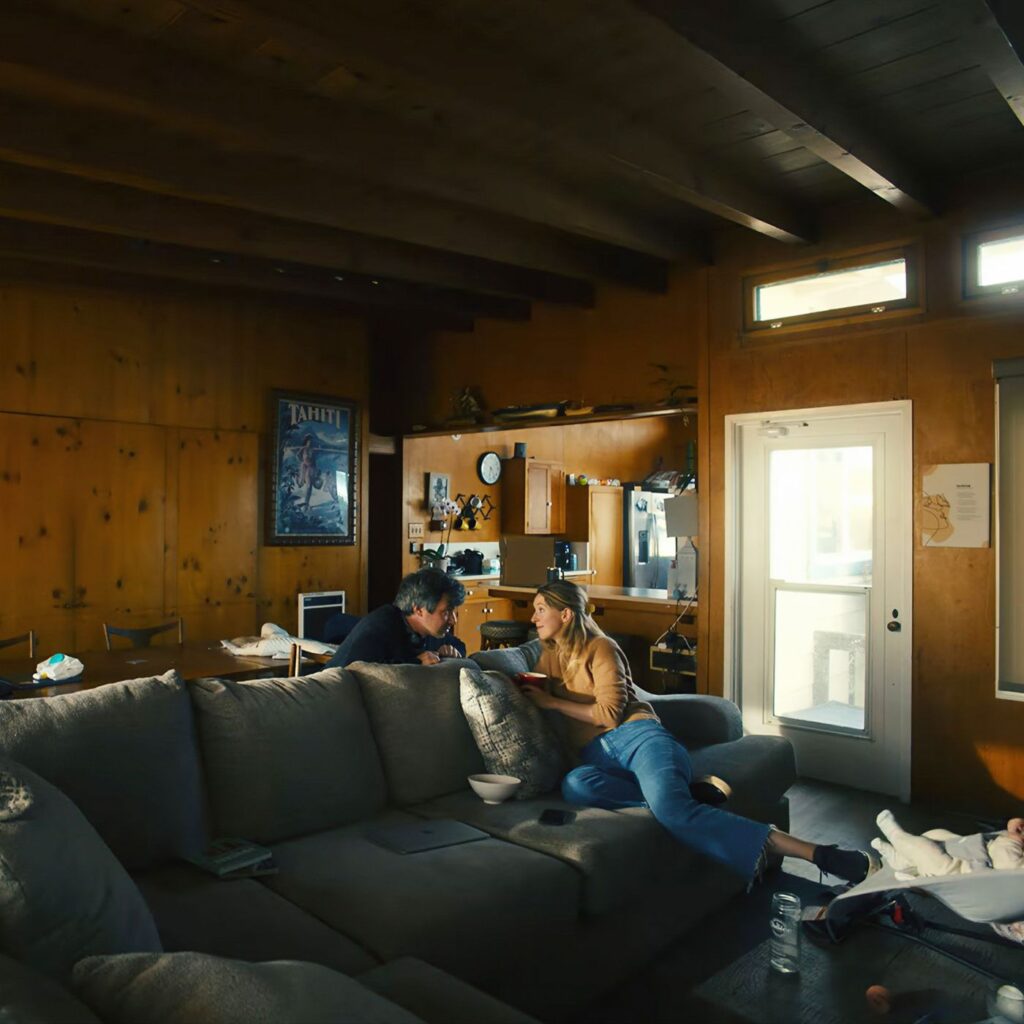
Thirty-four days before reporting to federal prison, disgraced businesswoman Elizabeth Holmes invited two documentary filmmakers, Nathan Fielder and Lance Oppenheim, into her family’s home to film her remaining days of freedom.
In case you’ve forgotten, Holmes was once hailed as the world’s youngest self-made female billionaire after claiming to have developed a process that could detect all sorts of medical conditions from a single drop of blood. Her company, Theranos, attracted hugely wealthy investors and enormous publicity. There was just one problem – it was bunkum. The technology didn’t work as promised, and Holmes was convicted of defrauding investors and sentenced to eleven years and three months in prison.
At that point, she invited the film company A24 to bring a documentary crew into her family’s home. Now, why would anyone do that?
The second question is why on earth would you agree to let one of the filmmakers be Nathan Fielder, a comedian notorious for elaborate exercises in deception and straight-faced manipulation? Unless, of course, you wanted to try to sell something else – which is precisely what Holmes and her increasingly questionable partner appear intent on doing, with something that looks suspiciously like Theranos 2.
What follows is one of the most fascinating face-offs I’ve ever seen: two straight-faced tricksters whose encounters suggest that knowing how to manipulate others doesn’t necessarily protect you from being manipulated yourself. Who is playing whom? And does either of them really know?
The film takes one of the most audacious turns I’ve seen in a documentary in its second half, becoming even more compelling and, right to the end, surprising.
Some may question the length of the film – and it’s certainly one of the longest documentaries I’ve seen. Yet it held my attention throughout. It’s funny at times, queasily uncomfortable at others and once or twice quite jaw-dropping. Even as you question what you’re seeing, you want to know what’s going to happen next. In that respect, it’s surprisingly like a genre movie.
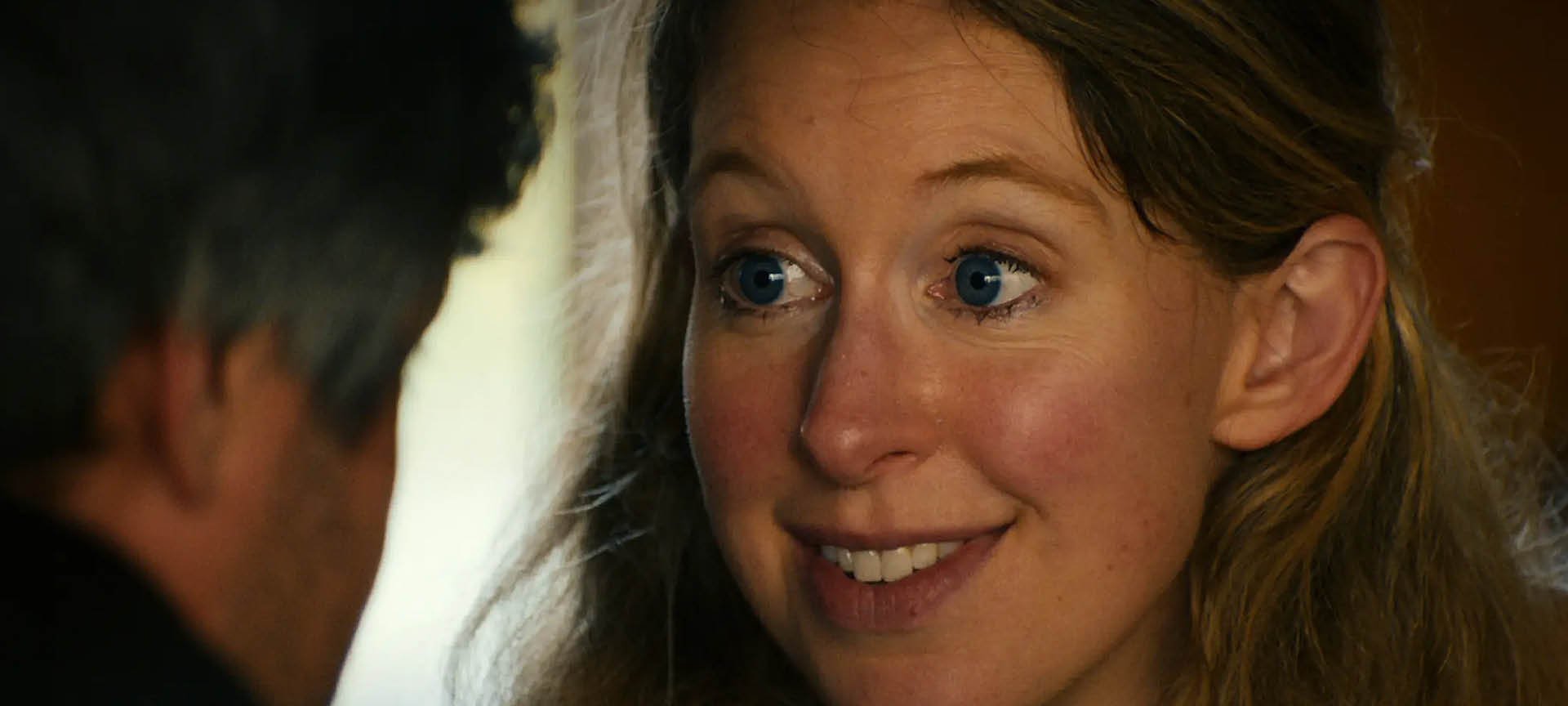
At one point, Fielder is asked whether he has feelings for Holmes. The strange thing is, you may find yourself having feelings for her as well. You know what she has done. You know the scale of the deception. Yet you may still find yourself responding to her apparent vulnerability, questioning your own judgement. How much of what you’re watching is calculated? How much is sincere? And how confidently can you tell the difference?
YOU CAN SEE EVERYTHING is a must-see talking-point movie, and I would take a bet it will be a major player in the awards race.
YOU CAN SEE EVERYTHING? For sure. But will you see the truth? That’s another story.